The Best Cars for Ceramic Coating in Honolulu’s Harsh Environment in Ceramic Coating Honolulu, HI
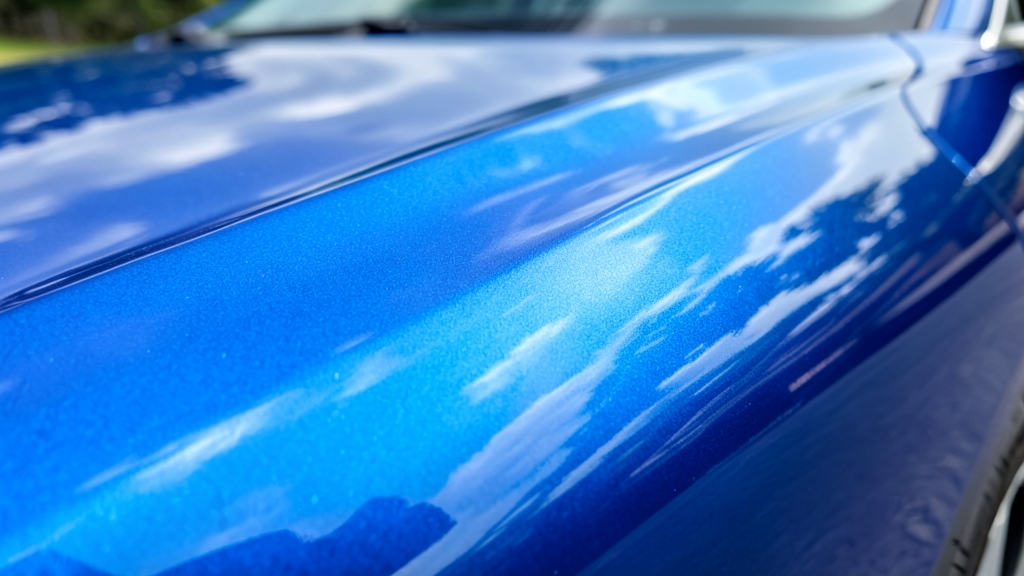
Honolulu’s relentless sun, salty trade winds, and high humidity accelerate paint damage on any vehicle. Not all cars need ceramic coating equally—some benefit far more than others. We break down which makes and models gain the most from our professional ceramic coatings to preserve value and appearance.
Why Honolulu’s Climate Demands Ceramic Coating
Our islands’ unique mix of UV intensity, ocean salt, and volcanic ash creates a perfect storm for paint degradation. Even factory clear coats struggle under this constant assault.
Ceramic coatings add a 9H-hardness layer that repels contaminants, resists UV fading, and prevents salt-induced corrosion. This is critical for cars parked near the coast or driven daily in Waipahu or Kaneohe.
Luxury and Exotic Cars: The Top Candidates
High-end vehicles like Ferraris, Lamborghinis, and Teslas often feature complex multi-stage paints that are expensive to repair. Ceramic coating preserves their showroom shine and resale value.
Owners in Kailua and Pearl City frequently choose full-vehicle ceramic coating paired with paint correction to eliminate swirls before sealing the surface.
Exotic paints with metallic or pearl flakes benefit most from ceramic coatings, as the coating enhances depth and clarity while protecting the delicate flakes.
Daily Drivers That See the Most Wear
Sedans, SUVs, and trucks like the Toyota Tacoma or Honda CR-V are workhorses in Honolulu. Their paint endures daily exposure to sun, salt, and road grime, making them ideal for ceramic protection.
For fleet vehicles in Aiea or commercial vans, we often recommend ceramic coating combined with PPF on high-impact areas like hoods and bumpers.
Classic and Collector Cars Need Long-Term Protection
Vintage Mustangs, classic Jeeps, or rare JDM imports require shielding from Honolulu’s humidity to prevent oxidation and water spots. Ceramic coatings provide a breathable yet protective barrier.
These vehicles often need paint correction first to restore original luster before applying a ceramic layer that lasts 5+ years.
Classic car paints are often single-stage and more porous. Improper application can trap contaminants, leading to premature failure. Always trust a professional.
Paint Types That Benefit Most from Ceramic Coating
Not all automotive paints are created equal. Single-stage paints, common in older or custom vehicles, absorb more UV and contaminants without a clear coat barrier.
Modern base coat/clear coat systems are more resilient but still degrade faster in coastal climates. Matte finishes, while stylish, are particularly vulnerable to staining and require specialized ceramic products.
| Paint Type | Durability Without Coating | Ceramic Coating Impact |
|---|---|---|
| Single-Stage | Low (prone to oxidation) | High (adds critical UV/salt protection) |
| Base/Clear Coat | Moderate | High (extends lifespan, enhances gloss) |
| Metallic/Pearl | Moderate | Very High (deepens flake pop, resists fading) |
| Matte | Low (stains easily) | High (requires matte-specific coating) |
Vehicles That Face the Toughest Conditions
Cars parked near the ocean in areas like Waikiki or Hawaii Kai endure constant salt spray. Ceramic coating, especially when paired with PPF on the front clip, is non-negotiable for these vehicles.
Off-road rigs and overlanders in Kaneohe or Kailua tackle mud, dust, and volcanic ash. A ceramic-coated undercarriage and wheel wells can prevent long-term corrosion.
What About Electric and Hybrid Vehicles?
EVs like the Tesla Model 3 or Rivian R1T often have unique paint formulations designed for aerodynamics. These paints can be softer and more prone to scratches, making ceramic coating a smart investment.
Hybrids, which spend more time in Honolulu traffic, benefit from the coating’s self-cleaning properties, reducing the need for frequent washes in high-salt areas.
Signs Your EV Needs Ceramic Coating
- Visible swirl marks or micro-scratches from frequent charging station visits
- Dull or faded paint, especially on the roof or hood
- Water spots that won’t wash off after rain or sprinkler exposure
How to Decide If Your Car Is a Good Fit
Consider your driving habits, parking conditions, and the car’s value. If you park under a tree in Pearl City or drive daily through salt-laden air, ceramic coating is a no-brainer.
For newer cars with pristine paint, a full-vehicle ceramic coating can maintain that like-new appearance for years. Older cars may need paint correction first to address existing damage.
How to Prepare Your Car for Ceramic Coating in Honolulu
Proper prep is 80% of a successful ceramic coating application.
- 1Deep Clean and Decontaminate
Start with a thorough wash using pH-neutral soap to remove dirt, followed by a clay bar treatment to pull embedded contaminants from the clear coat.
- 2Paint Correction
Use compound and polish to eliminate swirls, scratches, and oxidation. This step ensures the ceramic coating bonds to a flawless surface.
- 3Final Surface Prep
Wipe down the paint with an isopropyl alcohol solution to remove any remaining oils or residues. This step is critical for adhesion.
- 4Apply Ceramic Coating
Use a high-quality SiO2 or TiO2-based coating, applying in small sections with a microfiber applicator. Allow proper curing time (24-48 hours) before exposing the car to moisture.
- 5Post-Coating Care
Avoid washing the car for at least 7 days. After that, use only pH-neutral car shampoos and avoid automatic car washes with harsh brushes.
Frequently Asked Questions
Does ceramic coating work on matte or satin paint finishes in Ceramic Coating Honolulu?
Yes, but it requires a matte-specific ceramic coating formula. Standard coatings can create a glossy sheen, ruining the matte look. We use products designed to maintain the flat finish while adding protection.
How long does ceramic coating last in Honolulu’s climate?
With proper prep and application, professional-grade ceramic coatings last 3–5 years in our climate. Harsh conditions like constant sun and salt may shorten this slightly, but regular maintenance can extend longevity.
Can I apply ceramic coating over existing PPF in Ceramic Coating Honolulu?
Yes, and it’s a common combo. PPF protects against rock chips and scratches, while ceramic coating adds hydrophobic properties and UV resistance. This duo offers the ultimate protection for high-end or daily-driven vehicles.
Is ceramic coating worth it for an older car?
It depends on the paint’s condition. If the car has heavy oxidation or peeling clear coat, paint correction or respraying may be needed first. For well-maintained older cars, ceramic coating can add years of protection.
What’s the difference between consumer-grade and professional ceramic coatings?
Consumer-grade coatings (often called “spray-on” or “DIY”) typically last 6–12 months and lack the hardness and durability of professional-grade products. Our coatings use higher concentrations of SiO2 or TiO2, providing 9H hardness and multi-year protection.
Do I still need to wash my car after ceramic coating in Honolulu?
Yes, but less frequently. Ceramic coatings are hydrophobic, so dirt and water bead off easily. However, salt and volcanic ash can still accumulate, especially in areas like Waipahu. Regular washing with pH-neutral soap keeps the coating performing at its best.