Best Practices for Drying Your Car After Ceramic Coating in Honolulu in Ceramic Coating Honolulu, HI
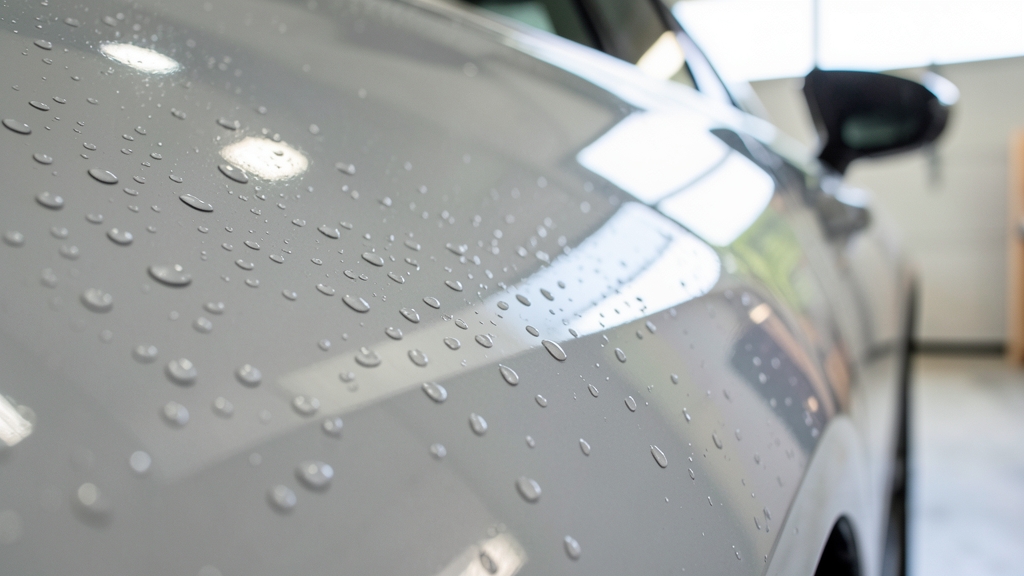
Drying your car improperly after a ceramic coating application can undo weeks of meticulous prep work. In Honolulu’s humid, salty air, even small mistakes invite water spotting and premature wear. We’ll walk you through the pro-approved steps to keep your coating—and your paint—flawless.
Why Drying Matters for Ceramic-Coated Cars
Ceramic coatings bond to your clear coat at a molecular level, but they’re not invincible during the curing phase. Improper drying can trap minerals in water droplets, etching the surface over time.
Honolulu’s trade winds carry salt and pollutants that accelerate spotting. A proper drying routine prevents these contaminants from adhering before the coating fully cures.
The Right Tools for Safe Drying
Use high-quality, short-nap microfiber towels (400+ GSM) to lift water without dragging debris. Avoid cheap towels—they shed fibers and scratch soft paint, even under a fresh coating.
A leaf blower on cool, low-speed settings is ideal for crevices and emblems. Never use compressed air; it can force water into seams, risking corrosion beneath the coating.
Essential Drying Tools
- Plush microfiber drying towels (400+ GSM)
- Leaf blower (cool setting, low speed)
- Clean wash mitt (for touch-ups)
- pH-neutral detailing spray (for lubrication)
Step-by-Step: The Two-Towel Method
Start with a dedicated microfiber towel to remove the bulk of water. Use straight-line motions, not circles, to minimize swirl risk. This is critical after paint correction in areas like Pearl City or Aiea, where dust is common.
Follow with a second dry towel to buff the surface to a streak-free finish. This two-step approach ensures no moisture or contaminants remain, even in Honolulu’s lingering humidity.
Common Mistakes That Damage Ceramic Coatings
Using a chamois or old bath towel introduces grit and can mar the coating. Even a freshly applied ceramic layer won’t protect against physical abrasion during the first 48 hours.
Letting the car air-dry in the sun causes water spots to bake onto the surface. In Kailua or Kaneohe, where UV exposure is intense, this can lead to permanent etching if not addressed quickly.
Never dry a ceramic-coated car with a squeegee. The hard edge can lift uncured coating layers, especially around curves and body lines.
How Humidity in Honolulu Affects Drying
Honolulu’s tropical climate means water lingers longer on surfaces. Ceramic coatings are hydrophobic, but they can’t shed water instantly if humidity is above 70%.
Drying thoroughly is non-negotiable here. Residual moisture can dilute the coating’s self-cleaning properties and attract dust, which bonds to the surface as it dries.
Drying vs. Other Protection Methods
Ceramic coatings outperform traditional waxes in durability, but they still require careful drying. Unlike paint protection film (PPF), which can handle rougher treatment, ceramic coatings demand gentler post-wash care.
For wheels and brake calipers—commonly coated in Waipahu or Kaneohe—use separate microfiber towels. Brake dust is abrasive and can embed in towels, scratching other surfaces.
| Aspect | Ceramic Coating | Paint Protection Film (PPF) |
|---|---|---|
| Drying Sensitivity | High (avoid abrasion) | Moderate (more durable) |
| Water Spotting Risk | Low (hydrophobic) | Very Low (self-healing) |
| Tool Requirements | Plush microfiber, leaf blower | Microfiber, soft brushes |
| Post-Wash Care | Gentle, two-towel method | Can tolerate slightly more pressure |
Post-Drying Inspection: What to Look For
After drying, inspect the paint under direct light. Any streaks or haze indicate leftover moisture or improper technique. Re-dry these areas immediately.
Check wheel wells and door jambs—common trouble spots in humid areas like Honolulu. Water trapped here can lead to corrosion, even with a ceramic coating.
Use a quick detailer spray after drying to enhance the coating’s gloss and add a temporary hydrophobic boost. This is especially useful in high-pollution zones.
When to Seek Professional Help
If you notice water spots that won’t buff out, or if the coating appears dull after drying, it may need a maintenance wash with a pH-neutral soap. In extreme cases, a light paint correction may be required.
For fleet or commercial vehicles in Waipahu, where usage is heavy, consider scheduling regular professional inspections. Ceramic coatings on these vehicles often face harsher conditions.
How to Dry Your Car After a Ceramic Coating Application
Follow these steps to ensure your coating cures properly and lasts longer in Honolulu’s climate.
- 1Prep Your Tools
Lay out two clean microfiber towels, a leaf blower, and a pH-neutral detail spray. Ensure all tools are free of debris.
- 2Rinse Thoroughly
Use the two-bucket method to wash the car, then rinse all soap residue. Ceramic coatings repel water, but trapped soap can leave streaks.
- 3Remove Bulk Water
Use the first microfiber towel in straight-line motions to lift water from the surface. Start from the top and work downward.
- 4Blow Out Crevices
Use a leaf blower on a cool, low setting to remove water from emblems, grilles, and trim. Avoid high heat, which can prematurely cure the coating unevenly.
- 5Final Buff
Use the second microfiber towel to buff the paint to a streak-free finish. Inspect under light to ensure no moisture remains.
Frequently Asked Questions
Can I let my ceramic-coated car air-dry in Honolulu?
No. Honolulu’s humidity and salt air increase the risk of water spotting and mineral deposits. Always dry manually with microfiber towels to preserve the coating’s integrity.
How soon after ceramic coating can I wash my car?
Wait at least 7 days before washing to allow the coating to begin curing. Use a pH-neutral soap and avoid automatic car washes with harsh brushes, especially in areas like Pearl City or Aiea.
What’s the best way to dry wheels with ceramic coating?
Use a separate microfiber towel for wheels and brake calipers. Brake dust is highly abrasive and can contaminate towels used on the paint, leading to scratches.
Does ceramic coating eliminate the need for drying?
No. While ceramic coatings are hydrophobic, they don’t prevent water from sitting on the surface. Proper drying ensures no minerals or contaminants are left behind to damage the coating over time.
Can I use a chamois on a ceramic-coated car?
Avoid chamois or any non-microfiber material. These can trap grit and cause micro-scratches, even on a coated surface. Stick to plush microfiber towels for the safest results.
How does drying differ for ceramic window tint in Honolulu?
Ceramic window tint is more delicate than paint coatings. Use a soft, lint-free microfiber cloth and avoid ammonia-based cleaners. Drying should be gentle to prevent peeling or distortion.