Can You Apply New Ceramic Coating Over Old in Honolulu in Ceramic Coating Honolulu, HI?
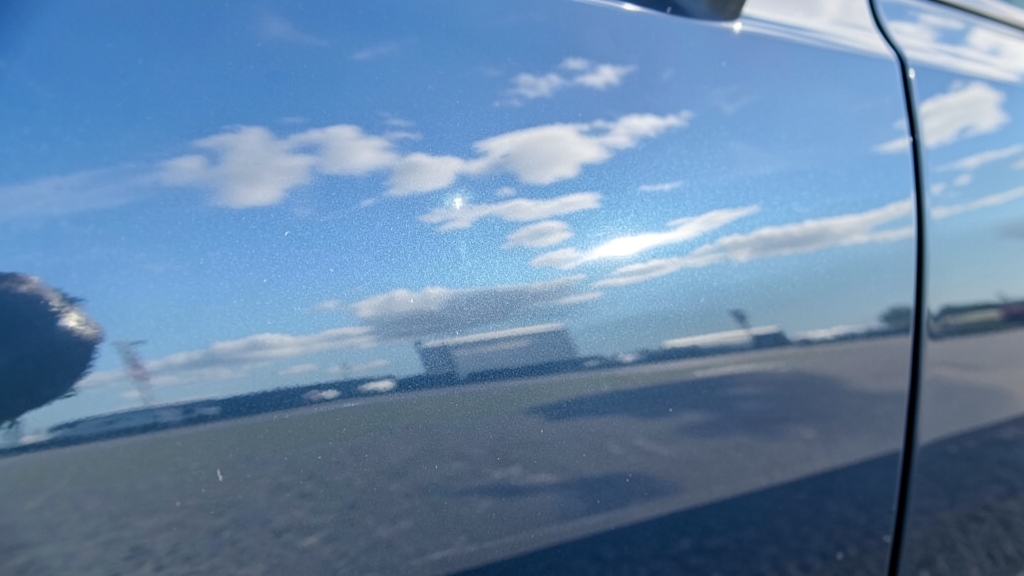
Applying a fresh ceramic coating over an old one might seem like a shortcut, but it often backfires. Our team sees this mistake frequently in Honolulu, where salt air and UV exposure demand a flawless bond. Here’s what you need to know before attempting it.
Why Overcoating Ceramic Coatings Often Fails
Ceramic coatings bond chemically to clear coat, not to other coatings. Layering new product over old creates a weak interface prone to peeling, hazing, or reduced longevity.
In Honolulu’s humid, salty climate, trapped contaminants between layers accelerate failure. The old coating’s degraded hydrophobic properties can also prevent proper adhesion of the new layer.
Old coating residues can react with new formulas, causing streaks or discoloration. Full removal is the only safe path for professional results.
Signs Your Existing Coating Needs Removal
Water no longer beads uniformly or sheets off quickly. This indicates the hydrophobic layer has broken down, often within 18–24 months in our intense Hawaiian sun.
Visible swirl marks, oxidation, or a dull finish mean the coating isn’t protecting the paint. These flaws must be corrected before any new application.
You notice rough patches or bonding issues when washing. These are red flags that the old coating is failing and compromising adhesion for a new layer.
How to Test if Old Coating Is Still Active
Perform a water bead test: Spritz a small area with water. If beads are tight and high, the coating may still be effective. Flat, spreading droplets signal degradation.
Use a coating-specific prep spray. If the surface repels the spray unevenly, the old layer is inconsistent and should be removed before proceeding.
Inspect under direct sunlight at an angle. Healthy coatings enhance gloss; failing ones appear hazy or streaked, especially after rain or salt exposure in areas like Kailua or Kaneohe.
Quick Adhesion Check
- Water beads tightly and uniformly
- No visible swirls or oxidation under light
- Prep spray sheets off evenly
The Only Safe Way to Recoat: Full Removal and Prep
Professional removal starts with a thorough wash and decontamination using iron-removing clay and pH-neutral cleaners. This step is critical in Honolulu to eliminate embedded salt and industrial fallout.
Next, we use fine polishing compounds to gently abrade the old coating without damaging the clear coat. This restores a clean, porous surface for the new coating to bond with.
For severe cases, a light machine polish may be needed to correct paint imperfections. This ensures the new coating adheres to a flawless finish, not a failing layer.
Ceramic Coating Layers: Single vs. Multi-Layer Systems
Single-layer coatings are simpler but may lack depth in gloss or durability. Multi-layer systems, often used for high-end vehicles in Pearl City or Waipahu, build thickness for enhanced protection and shine.
Each layer in a multi-stage system must cure fully before the next is applied. Skipping this risks solvent entrapment and premature failure, especially in our high-UV environment.
| Feature | Single-Layer | Multi-Layer |
|---|---|---|
| Application Time | 1–2 hours | 4–8 hours (with curing) |
| Durability | 2–3 years | 4–5+ years |
| Gloss Depth | Good | Exceptional |
| Cost Factors | Lower (less product/labor) | Higher (more product, time, skill) |
| Best For | Daily drivers, budget-conscious | Luxury vehicles, harsh climates |
Honolulu-Specific Challenges for Ceramic Coatings
Salt air from the Pacific accelerates corrosion and coating breakdown. Regular washing is essential, but even this can wear down a coating faster than in mainland climates.
Intense UV exposure year-round degrades the polymer matrix in coatings. This is why we often recommend graphene-enhanced formulas for local vehicles, especially in sun-drenched areas like Aiea.
High humidity promotes water spotting and mineral deposits. A fresh, properly applied coating resists these issues far better than a compromised old layer.
After coating, use a pH-neutral car shampoo and avoid automatic car washes with harsh brushes. This extends longevity in our tough conditions.
When Partial Reapplication Might Work (Rare Cases)
If the existing coating is less than 6 months old and shows minimal wear, a maintenance top-up spray might suffice. These are not true ceramic coatings but can refresh hydrophobicity temporarily.
For wheel or brake caliper coatings, partial touch-ups are more feasible due to smaller surface areas. However, full removal and reapplication still yield superior results for durability.
Interior ceramic protection is less prone to bonding issues. Still, we recommend a clean surface for any reapplication to avoid uneven sheen or reduced stain resistance.
Alternatives to Recoating: PPF and Hybrid Solutions
If your paint is heavily swirled or chipped, consider Paint Protection Film (PPF) before ceramic coating. PPF handles physical impacts better, while the coating adds chemical resistance and gloss.
Hybrid systems combine PPF on high-impact areas (front bumper, hood) with ceramic coating on the rest. This is popular for fleet vehicles in Kaneohe or commercial vans facing rough conditions.
Ceramic window tint and headlight restoration with a ceramic top coat are also smart add-ons. These services complement full-vehicle coatings for comprehensive protection.
How to Properly Remove Old Ceramic Coating Before Reapplication
Follow these steps to ensure a clean surface for your new ceramic coating, especially critical in Honolulu’s harsh climate.
- 1Deep Clean and Decontaminate
Wash the vehicle with a pH-neutral shampoo, then use a clay bar and iron remover to eliminate embedded contaminants. This step is non-negotiable for salt-exposed cars.
- 2Inspect and Test
Check for water beading and gloss uniformity. Use a prep spray to confirm the old coating is fully degraded or patchy.
- 3Machine Polish
Use a fine polishing compound with a dual-action polisher to gently remove the old coating. Work in small sections, checking progress frequently.
- 4Final Prep
Wipe down the surface with an IPA solution to remove any remaining oils or residues. This ensures a pristine bond for the new coating.
- 5Apply New Coating
Follow the manufacturer’s instructions for application, working in a dust-free environment. Allow proper curing time before exposing the vehicle to moisture.
Frequently Asked Questions
How do I know if my ceramic coating in Honolulu is still working?
A properly functioning coating will bead water tightly and repel dirt easily. If water sheets off or leaves spots, or if the paint looks dull, it’s likely time for removal and reapplication. Our team can perform a professional inspection.
Can I just polish over the old coating and apply a new one?
Polishing alone won’t remove the old coating’s bond. You risk trapping the degraded layer, leading to adhesion failure. Full removal via polishing compounds is necessary to expose the clear coat for a fresh bond.
Is it worth recoating my car in Honolulu’s climate?
Absolutely. The salt air, UV exposure, and humidity here break down paint faster than in many mainland areas. A fresh, professionally applied ceramic coating provides superior protection against these local challenges.
What’s the difference between a ceramic coating top-up and a full reapplication?
A top-up uses a maintenance spray to refresh hydrophobicity but doesn’t replace the coating’s protective layer. Full reapplication involves removing the old coating, correcting paint, and applying a new ceramic layer for maximum durability.
How long does it take to remove and reapply ceramic coating in Ceramic Coating Honolulu?
Removal and prep typically take 4–8 hours, depending on the vehicle’s size and the old coating’s condition. Reapplication adds another 2–4 hours, plus curing time. For precise timing, request a quote based on your vehicle’s needs.
Can ceramic coating be applied over PPF?
Yes, and it’s a common practice. Ceramic coating enhances PPF’s gloss and makes it easier to clean. However, the PPF must be fully cured and free of contaminants before application, which our team can handle for you.