Ceramic Coating Honolulu: 7 Common Mistakes to Avoid After Application
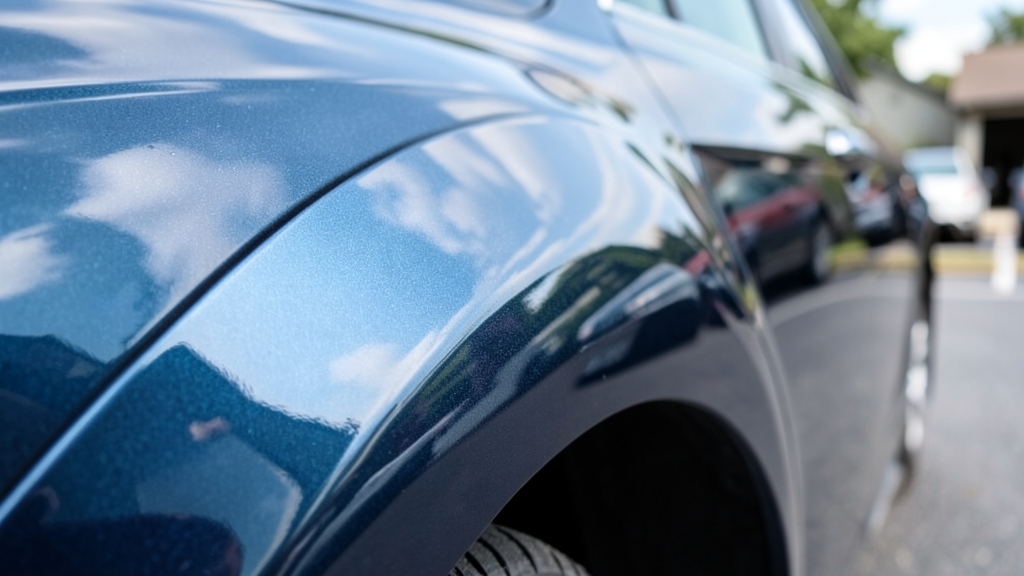
Ceramic coatings deliver exceptional gloss and protection for Honolulu’s harsh sun, salt air, and volcanic dust. But even a high-quality application can fail if you make these post-installation mistakes. We’ve seen it all—here’s how to keep your finish flawless for years.
Skipping the Curing Window Entirely
Nano-ceramic polymers need 24–48 hours to begin cross-linking with your clear coat. In Honolulu’s humidity, this can stretch to 72 hours. Driving immediately exposes the coating to contaminants before it fully bonds.
Avoid washing, waxing, or even parking under trees during this period. Salt air and volcanic ash here accelerate surface contamination, which can embed into an uncured coating.
Using Harsh Cleaners or Automatic Car Washes
pH-imbalanced soaps, degreasers, or dish soap strip the hydrophobic layer. Honolulu’s automatic car washes often use high-alkaline detergents that degrade coatings over time.
Stick to pH-neutral ceramic-safe shampoos and the two-bucket method. Touchless washes with soft cloths are safer, but hand-washing is ideal for longevity.
Never use dish soap, glass cleaners, or any product with ammonia, silicones, or fillers. These break down the ceramic matrix.
Washing Too Soon—or Too Aggressively
Even after the initial cure, washing within the first week can disrupt the coating’s bonding. Use the gentle foam cannon method to lift dirt without scrubbing.
For wheels and brake calipers coated in Kailua or Kaneohe, where brake dust is heavier, wait 5–7 days before cleaning. Use a separate mitt and iron-removing spray.
Ignoring Water Spotting in Honolulu’s Climate
Our island’s mineral-rich water and salt air create stubborn spots. If left, these etch into the coating, reducing hydrophobicity and gloss.
Rinse your vehicle immediately after rain or sprinkler exposure. For existing spots, use a water spot remover designed for ceramic coatings—not vinegar or lemon juice.
Mix distilled water with isopropyl alcohol (1:1) for fresh spots. For tougher ones, a dedicated ceramic-safe spot remover is best.
Parking Under Trees or Near Construction Zones
Tree sap, bird droppings, and volcanic ash in areas like Pearl City or Waipahu are acidic. They can etch ceramic coatings if not removed within 24–48 hours.
Use a car cover or park in a garage when possible. For sap or droppings, don’t wipe—rinse first, then use a detailing spray and microfiber towel to lift the contaminant.
Applying Waxes, Sealants, or Top Coats Prematurely
Ceramic coatings don’t need additional protection. Adding wax or sealant before the coating fully cures (7–14 days) can trap solvents and prevent proper bonding.
After full curing, you can use a ceramic-boosting spray to enhance hydrophobicity, but avoid traditional carnauba or synthetic waxes. These can leave residues that dull the finish.
| Feature | Ceramic Coating | Traditional Wax |
|---|---|---|
| Duration | 2–5+ years | 1–3 months |
| UV Protection | High (99%+ block) | Minimal |
| Hydrophobicity | Extreme (110°+ contact angle) | Moderate (80–90°) |
| Chemical Resistance | High (pH 2–12) | Low (pH 5–9) |
| Heat Resistance | Up to 1,800°F | Up to 200°F |
| Maintenance | Low (pH-neutral washes) | High (Reapply often) |
Neglecting Regular Maintenance and Inspections
Ceramic coatings aren’t ‘set and forget.’ Salt buildup from Aiea’s roads or industrial pollutants in Waipahu require monthly deep cleaning to maintain performance.
Schedule a professional inspection every 6–12 months. We check for bonding integrity, water behavior, and signs of contamination that DIY methods can’t address.
Monthly Ceramic Coating Maintenance
- Wash with pH-neutral shampoo and two-bucket method
- Use a foam cannon for pre-wash lubrication
- Dry with a clean microfiber towel or blower
- Apply a ceramic-boosting spray (optional)
- Inspect for water spotting or contamination
Assuming All Ceramic Coatings Are the Same
Not all coatings offer the same durability or protection. Professional-grade coatings like those we apply in Honolulu use 9H hardness nano-ceramics, while consumer sprays may last only months.
For fleet or commercial vehicles in high-exposure areas, we often recommend pairing ceramic coatings with Paint Protection Film (PPF) for impact resistance.
How to Safely Wash Your Car After Ceramic Coating
Follow these steps to clean your vehicle without damaging the coating.
- 1Pre-Rinse Thoroughly
Use a pressure washer or hose to remove loose dirt. Start from the top and work downward to avoid scratching.
- 2Apply pH-Neutral Shampoo
Use a foam cannon or wash mitt to apply a ceramic-safe shampoo. Avoid circular motions—use straight lines.
- 3Use the Two-Bucket Method
One bucket for soap, one for rinsing your mitt. This prevents re-introducing dirt to the surface.
- 4Rinse and Dry Immediately
Rinse all soap residue completely. Dry with a clean microfiber towel or air blower to prevent water spotting.
- 5Inspect for Contaminants
Check for tar, sap, or industrial fallout. Use a dedicated remover if needed, then re-wash the area.
Frequently Asked Questions
How long should I wait to drive after ceramic coating in Honolulu?
Avoid driving for at least 12–24 hours to prevent dust and debris from bonding to the uncured surface. In humid conditions, extend this to 48 hours. Full chemical resistance takes 7–14 days.
Can I take my car through an automatic car wash after ceramic coating?
Avoid automatic car washes with brushes or high-alkaline detergents, as these can degrade the coating. Touchless washes are safer, but hand-washing is the preferred option for longevity.
How can you remove bird droppings from a ceramic-coated car in Hawaii?
Rinse the area immediately with water to prevent etching. Then, apply a ceramic-safe detailing spray and gently lift the droppings with a microfiber towel. Never wipe dry droppings, as this can scratch the coating.
Do I need to reapply ceramic coating every year in Ceramic Coating Honolulu?
Professional-grade ceramic coatings last 2–5+ years with proper care. Annual inspections help maintain performance, but reapplication isn’t needed unless the coating shows signs of failure, such as reduced hydrophobicity or visible wear.
Can I apply ceramic window tint or wheel coating immediately after the main ceramic coating?
Wait until the main coating is fully cured (7–14 days) before applying additional ceramic products. This ensures each layer bonds properly without interfering with the other.
Is Paint Protection Film (PPF) better than ceramic coating for Honolulu’s roads?
PPF offers superior protection against rock chips and scratches, while ceramic coatings provide better UV resistance, gloss, and chemical protection. For maximum defense, we often combine both—PPF for impact areas and ceramic coating for the entire vehicle.