Expert Guide to Ceramic Coating Maintenance for Long-Lasting Protection in Ceramic Coating Honolulu
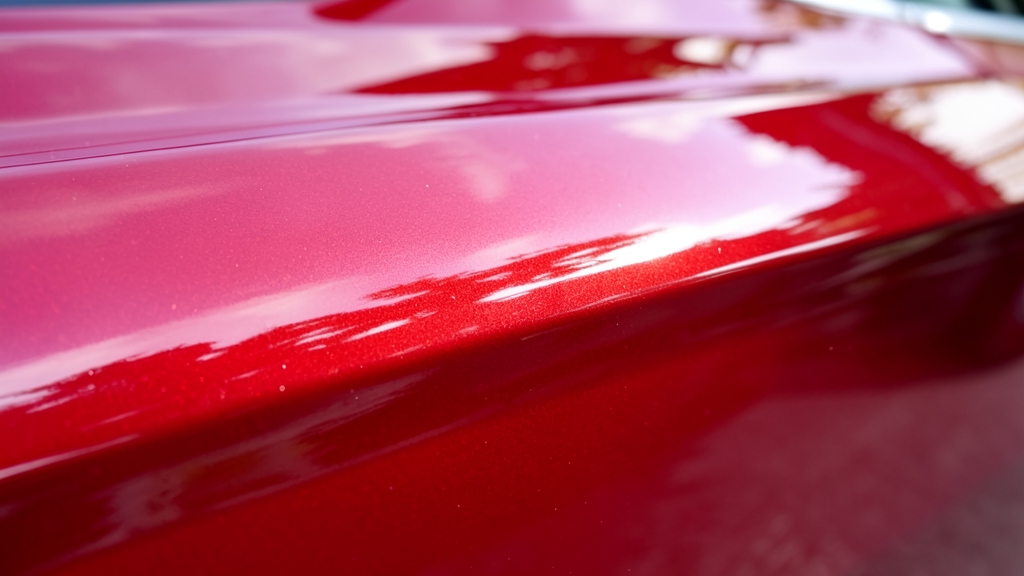
Ceramic coatings don’t just protect—they elevate your vehicle’s finish to a mirror-like depth that turns heads in Waikiki traffic. But even the best coatings need the right upkeep to battle Honolulu’s relentless sun, salt air, and volcanic dust. We’ll show you how to preserve that showroom glow for years, not months.
Why Ceramic Coating Maintenance Matters in Hawaii’s Climate
Honolulu’s tropical climate is a double-edged sword for your paint. Intense UV rays fade clear coats faster than on the mainland, while trade winds carry salt and volcanic ash that etch into unprotected surfaces. A well-maintained ceramic coating acts as a sacrificial barrier against these elements.
Without proper care, even a premium 9H-rated coating can degrade prematurely. Salt residue from Kailua beach drives or industrial fallout near Pearl Harbor accelerates water spotting and oxidation. Regular maintenance keeps the hydrophobic layer active and the gloss sharp.
The First 7 Days: Critical Cure Period for Your Coating
Your coating isn’t fully bonded until it cures. During the first week, avoid automatic car washes, harsh chemicals, or even heavy rain. Park in a garage or under a cover in Aiea or Waipahu to shield it from premature exposure to moisture.
If your vehicle gets wet, use the two-bucket method with a grit guard and pH-neutral soap. Never use a pressure washer directly on the paint—high PSI can disrupt the curing process and strip away uncured layers.
No wax, sealants, or quick detailers. Even ‘waterless wash’ products can interfere with the bonding process. Stick to gentle hand washing only.
Washing Techniques That Preserve Your Coating
Always start with a thorough rinse to remove loose contaminants. Use a foam cannon with a pH-neutral shampoo to lift dirt without scrubbing. This is especially critical after driving through Kaneohe’s red dirt roads or near construction zones.
Wash in straight lines, not circles, to prevent swirl marks. Use separate microfiber towels for wheels and paint—brake dust from ceramic-coated calipers in Pearl City can be abrasive. Dry with a plush microfiber or a blower to avoid water spots from our hard water.
Essential Washing Tools
- Two buckets with grit guards
- pH-neutral ceramic-safe shampoo
- High-quality wash mitt (chenille or microfiber)
- Separate microfiber towels for paint and wheels
- Blower or plush drying towel
Decontamination: The Hidden Enemy of Ceramic Coatings
Even with a coating, embedded contaminants like iron particles, tar, and industrial fallout can dull your finish. Use an iron remover spray for brake dust and rail dust, especially if you frequent areas like Waipahu with heavy traffic.
For stubborn spots, a clay bar or clay mitt can safely lift contaminants without damaging the coating. Always follow with a quick detailer or ceramic booster spray to restore hydrophobicity. Skip harsh compounds—they’re unnecessary and can strip the coating prematurely.
After driving near the airport or industrial zones in Honolulu, decontaminate within 48 hours. The longer fallout sits, the harder it is to remove safely.
Ceramic Coating Boosters vs. Traditional Wax: What’s the Difference?
Many drivers assume wax is enough, but traditional carnauba or synthetic waxes sit on top of your coating and can reduce its effectiveness. Ceramic boosters, however, contain SiO2 or TiO2 to replenish the coating’s hydrophobic properties and extend its life.
In Honolulu’s harsh conditions, we recommend applying a booster every 3-6 months. This is especially valuable for vehicles with full-vehicle ceramic coating or those parked outside in areas like Kailua, where UV exposure is extreme.
| Feature | Ceramic Booster | Traditional Wax |
|---|---|---|
| Bonding | Chemically bonds with coating | Sits on surface |
| Durability | 3-6 months | 4-8 weeks |
| Hydrophobic Effect | Enhances coating’s beading | Temporary beading |
| UV Protection | Reinforces existing protection | Minimal |
| Compatibility | Designed for ceramic coatings | Can interfere with coating |
Protecting Other Coated Surfaces: Wheels, Glass, and Interior
Ceramic coatings aren’t just for paint. Wheel ceramic coatings in Pearl City or Aiea take a beating from brake dust and road grime. Clean them with a dedicated wheel cleaner (pH-neutral) and a soft brush to avoid scratching the coating.
For ceramic window tint, use an ammonia-free glass cleaner and a microfiber towel. Never use paper towels—they can leave micro-scratches. Interior ceramic protection on dashboards and leather resists UV fading and stains, but wipe it down weekly with a damp microfiber to prevent dust buildup.
When to Call the Pros: Paint Correction and Reapplication
If your coating starts to show water spots that won’t bead, or the gloss has faded, it may be time for a professional inspection. In Honolulu, volcanic ash and salt can accelerate wear, so coatings often need reapplication sooner than on the mainland.
Before reapplying, we always perform paint correction and polishing to remove swirls, oxidation, or etches. This step is critical for vehicles in Kaneohe or Kailua, where environmental contaminants are harsher. Request a quote to assess your coating’s condition.
How to Apply a Ceramic Booster Spray Like a Pro
Rejuvenate your coating’s hydrophobic properties in minutes with these steps.
- 1Prep the Surface
Wash and dry your vehicle thoroughly. Use a quick detailer or isopropyl alcohol (10-20% dilution) to remove any existing wax or oils.
- 2Apply the Booster
Spray a small amount of ceramic booster onto a microfiber applicator pad or directly onto a 2x2 ft section. Work in the shade to prevent premature drying.
- 3Spread Evenly
Use light, overlapping motions to spread the product. Avoid pressing too hard—let the booster self-level.
- 4Buff to a Shine
After 1-2 minutes, buff the surface with a clean microfiber towel until it’s crystal clear. Repeat for each section.
- 5Let It Cure
Avoid water or rain for at least 12 hours. For best results, park in a garage overnight.
Frequently Asked Questions
How often should I wash my car after a ceramic coating in Honolulu?
We recommend washing every 1-2 weeks, especially if you drive near the coast or in areas like Waipahu with high dust levels. Use pH-neutral soap and the two-bucket method to avoid scratching the coating.
Can I use a pressure washer on my ceramic-coated car?
Yes, but keep the nozzle at least 18 inches away and use a 40-degree tip or wider. Never pressure wash during the first 7 days after application, and avoid aiming directly at edges or seams where the coating may be thinner.
Does ceramic coating eliminate the need for paint protection film (PPF)?
No. While ceramic coatings add durability and gloss, PPF offers superior protection against rock chips, deep scratches, and self-healing properties. Many of our clients in Pearl City and Aiea combine both for ultimate defense.
What’s the best way to remove bird droppings from a ceramic coating?
Act fast—bird droppings are acidic and can etch through the coating if left too long. Soak a microfiber towel in warm water and gently lift the debris. Avoid scrubbing. For stubborn spots, use a dedicated bird dropping remover safe for coatings.
How do I know when my ceramic coating needs to be reapplied?
Signs include reduced water beading, increased water spotting, or a duller appearance. If water no longer sheets off the surface, or if contaminants bond more easily, it’s time for a professional evaluation. In Honolulu’s climate, this often happens sooner than in milder areas.
Is ceramic coating maintenance different for fleet or commercial vehicles in Ceramic Coating Honolulu?
Yes. Fleet vehicles face more frequent exposure to road grime, industrial fallout, and harsh cleaning chemicals. We recommend more frequent decontamination, monthly booster applications, and annual inspections to ensure the coating remains effective under heavy use.