Ceramic Coating vs. Wax: Which Saves You More Time and Money in Honolulu in Ceramic Coating Honolulu, HI?
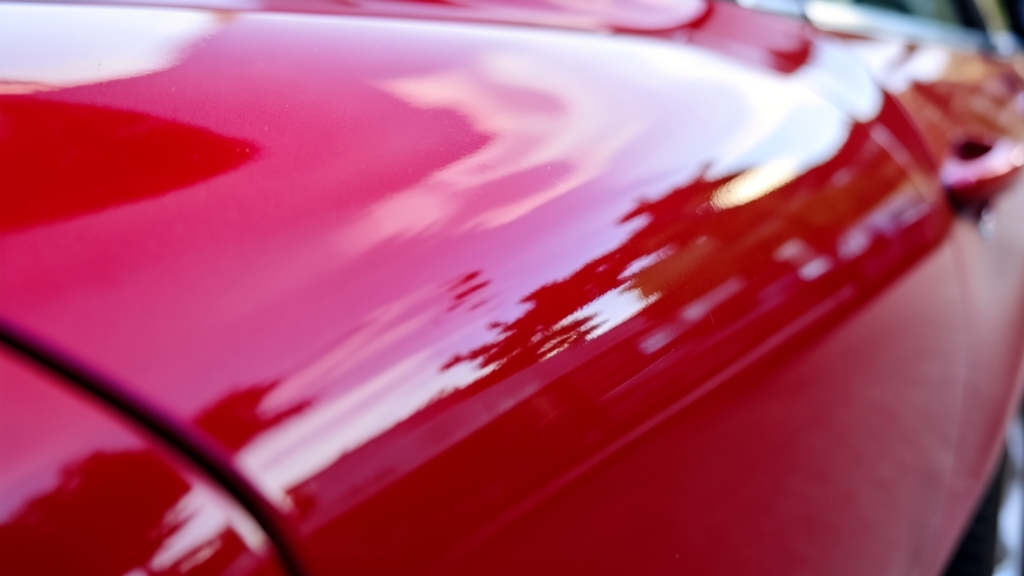
Honolulu’s intense sun, salt air, and volcanic ash take a toll on your vehicle’s finish. We break down the real differences between ceramic coating and wax—so you can decide which delivers better protection, longevity, and value for your daily driver or weekend cruiser.
Why Honolulu’s Climate Demands More Than Basic Protection
Our island’s UV index stays high year-round, accelerating paint oxidation and fading. Salt spray from the coast etches clear coat, while volcanic ash scratches surfaces during vog episodes.
Wax offers temporary defense, but it breaks down fast under these conditions. Ceramic coatings bond chemically with paint, creating a durable barrier that resists UV rays, salt, and contaminants far longer.
Ceramic Coating vs. Wax: The Core Differences
Ceramic coatings use nano-ceramic polymers (often SiO2-based) that cure into a hard, hydrophobic layer. They last 2–5 years with proper care and provide superior resistance to chemicals, bird droppings, and water spotting.
Wax—whether carnauba or synthetic—sits on the surface, filling minor imperfections for a deep shine. It lasts 1–3 months and requires frequent reapplication, especially in Honolulu’s harsh environment.
| Feature | Ceramic Coating | Wax |
|---|---|---|
| Durability | 2–5 years | 1–3 months |
| UV Protection | Excellent | Minimal |
| Hydrophobic Properties | Extreme (beading & sheeting) | Moderate |
| Chemical Resistance | High (resists bird droppings, salt, etc.) | Low |
| Gloss Enhancement | Long-term high gloss | Temporary deep shine |
| Maintenance | Low (easier washing, less frequent detailing) | High (frequent reapplication) |
| Scratch Resistance | Moderate (protects against light swirls) | None |
| Application Process | Professional paint correction often required | DIY-friendly |
Long-Term Cost: Upfront Investment vs. Recurring Expenses
Ceramic coating has a higher upfront cost due to the need for paint correction, surface prep, and professional application. However, it eliminates the need for frequent waxing, saving you time and money over its lifespan.
Wax is cheaper initially, but the recurring cost of products, labor, and time adds up—especially in Honolulu, where you’ll reapply it every 4–8 weeks to maintain protection.
For commercial vehicles or fleets in Waipahu or Pearl City, ceramic coatings reduce downtime for detailing. Less frequent maintenance means more time on the road and lower operational costs.
Protection Against Honolulu-Specific Threats
Salt air causes rapid corrosion on untreated paint and metal parts. Ceramic coatings create a sacrificial layer that shields against this, while wax offers minimal defense.
Volcanic ash and vog can etch paint if not removed quickly. A coated surface repels these contaminants, making them easier to wash off before they cause damage.
For drivers in Kailua or Kaneohe, where morning dew and humidity are common, the hydrophobic properties of ceramic coatings prevent water spotting and mineral deposits.
Which Delivers a Superior Shine: Gloss or Aesthetics?
Wax is renowned for its warm, deep gloss—especially carnauba wax, which gives paint a rich, wet look. However, this shine fades as the wax degrades.
Ceramic coatings provide a glass-like, high-gloss finish that lasts for years. They also enhance paint clarity, making colors appear more vibrant. For show cars or luxury vehicles, we often pair coatings with paint correction for a flawless result.
For the ultimate finish, combine ceramic coating with paint correction in Aiea or wheel ceramic coating. This ensures every surface—from body panels to brake calipers—stays protected and pristine.
Maintenance: How Much Time Will You Save?
Ceramic-coated vehicles require less frequent washing and detailing. Dirt, bird droppings, and road grime slide off easily, reducing the need for harsh chemicals or aggressive scrubbing.
Waxed cars demand regular upkeep. Each reapplication requires washing, drying, and buffing—time that adds up, especially if you’re handling multiple vehicles or a busy schedule.
When Wax Might Still Be the Right Choice
If you love the ritual of detailing or own a classic car you only drive occasionally, wax can be a satisfying, low-commitment option. It’s also ideal for renters or short-term vehicle owners.
For daily drivers, performance cars, or vehicles exposed to Honolulu’s elements, ceramic coating is the smarter long-term investment. It’s also the better choice if you’ve invested in paint protection film (PPF) and want to extend its lifespan.
What to Expect During Application
Ceramic coating requires meticulous prep. We start with a thorough wash, decontamination (clay bar or iron remover), and often paint correction to remove swirls or oxidation. The coating is then applied in layers and cured under controlled conditions.
Wax application is simpler: wash, dry, and apply by hand or machine. No curing time is needed, but the protection is far less durable.
Ceramic Coating Prep Checklist
- Two-bucket wash method to avoid swirls
- Clay bar decontamination to remove embedded contaminants
- Paint correction (compounding/polishing) for a flawless base
- IPA (isopropyl alcohol) wipe-down to remove oils and residues
- Controlled environment for coating application (no direct sun or humidity)
How to Decide Between Ceramic Coating and Wax for Your Honolulu Vehicle
Use this step-by-step guide to determine which protection method aligns with your needs and lifestyle.
- 1Assess Your Vehicle’s Exposure
Consider where you drive and park. If your car is exposed to salt air, sun, or volcanic ash daily, ceramic coating is the better choice for long-term protection.
- 2Evaluate Your Budget and Timeline
Ceramic coating is a bigger upfront investment but pays off over time. If you plan to keep your car for years, it’s worth it. For short-term ownership, wax may suffice.
- 3Determine Your Maintenance Preferences
If you enjoy detailing or don’t mind frequent upkeep, wax could work. If you prefer low-maintenance protection, ceramic coating will save you time and effort.
- 4Consider Your Vehicle’s Value
For high-end, luxury, or collector cars, ceramic coating preserves resale value and appearance. It’s also ideal for fleet vehicles in Waipahu or commercial trucks that need durable protection.
- 5Consult a Professional
Request a quote and inspection. We’ll assess your paint’s condition, discuss your goals, and recommend a suitable solution—whether it’s ceramic coating, wax, or a combination of services like PPF and coating.
Frequently Asked Questions
Does ceramic coating make my car completely scratch-proof?
No, ceramic coatings add a layer of scratch resistance but won’t protect against deep scratches, rock chips, or intentional vandalism. For full protection, pair it with paint protection film (PPF) in high-impact areas like the front bumper or hood.
Can I apply ceramic coating over existing wax or sealants?
No. Wax, sealants, or oils must be fully removed before applying ceramic coating. We use IPA and thorough prep to ensure a clean surface for optimal bonding. Skipping this step can lead to poor adhesion and reduced durability.
How does ceramic coating perform in Honolulu’s rain and humidity?
Exceptionally well. The hydrophobic properties cause water to bead and sheet off, reducing water spotting and making drying easier. This is especially beneficial in areas like Kailua, where morning dew is common.
Is wax still necessary after ceramic coating?
No, but some enthusiasts use a spray ceramic booster or wax as a sacrificial layer to enhance gloss between maintenance washes. It’s not required for protection, though—just an optional aesthetic boost.
What’s the difference between professional and DIY ceramic coating in Ceramic Coating Honolulu?
Professional coatings use high-grade, multi-layer formulas and require paint correction for best results. DIY kits are less durable, often single-layer, and may not bond as effectively without proper prep. For Honolulu’s climate, professional application ensures maximum longevity.
Can ceramic coating be removed if I change my mind?
Yes, but it requires abrasive methods like compounding or polishing. Unlike wax, which washes off, ceramic coatings are semi-permanent. This is why we recommend careful consideration and professional application upfront.