Essential Paint Correction Tools for a Flawless Ceramic Coating Honolulu Finish
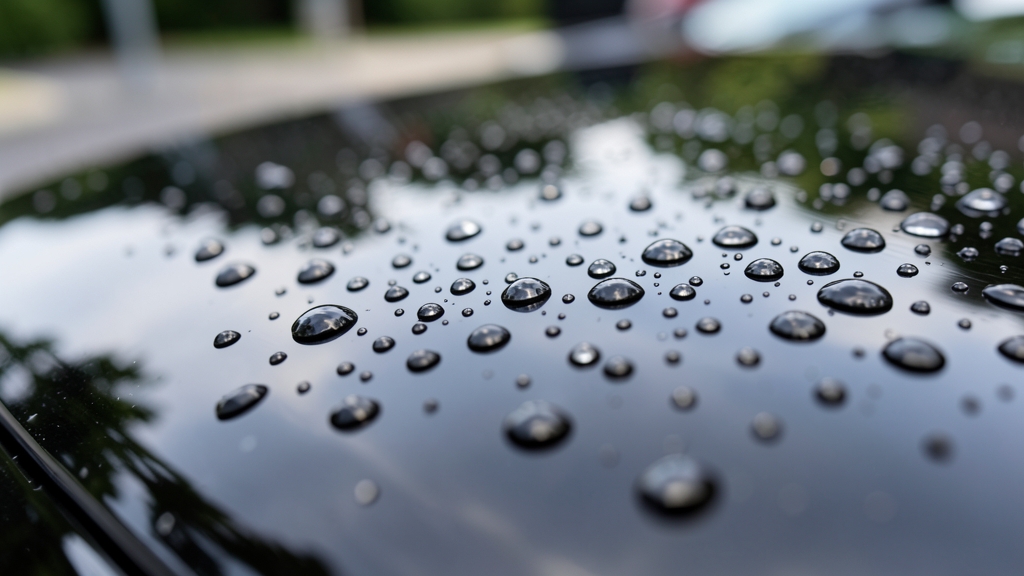
A perfect ceramic coating starts with flawless paint. Our team knows that Honolulu’s harsh sun, salt air, and frequent rain demand meticulous prep to ensure longevity and brilliance. Without the right paint correction tools, even the best ceramic coating won’t adhere properly or last as long as it should.
Why Paint Correction Matters Before Ceramic Coating
Ceramic coatings bond permanently to your clear coat, locking in imperfections if the surface isn’t corrected first. Swirl marks, oxidation, and water spots become permanent eyesores under that glossy finish.
In Hawaii’s intense UV and salty environment, neglected paint degrades faster. Proper correction restores clarity, depth, and that mirror-like reflection before we apply coatings in Ceramic Coating Honolulu.
Applying ceramic coating over contaminated or damaged paint voids warranties and shortens lifespan. Always correct first.
The Core Paint Correction Tools We Rely On
A dual-action polisher is non-negotiable. It delivers the power and control needed to level clear coat without burning through paint, especially on Honolulu’s sun-baked vehicles.
High-quality foam and microfiber pads let us tailor aggression. Cutting pads tackle deep scratches, while finishing pads refine to a jewel-like shine for Ceramic Coating in Pearl City or Kailua.
Decontamination: The First Step to a Clean Slate
We start with a thorough wash using pH-neutral shampoo to remove surface grime. Then, a clay bar or synthetic clay mitt lifts embedded contaminants like rail dust and industrial fallout.
Iron remover sprays dissolve brake dust and metallic particles that washing misses. This step is critical in areas like Ceramic Coating in Aiea, where road debris accumulates quickly.
Decontamination Checklist
- Wash with pH-neutral shampoo and grit guards
- Clay bar or mitt for embedded contaminants
- Iron remover spray for metallic particles
- Dry with high-quality microfiber towels
Compounds and Polishes: Leveling the Playing Field
Heavy-cut compounds remove deep scratches, oxidation, and water spots. We switch to finer polishes to refine the surface, eliminating swirls and holograms left by coarser abrasives.
For vehicles in Ceramic Coating in Kaneohe, where UV damage is common, we often use a two-step correction process: compound followed by a fine polish to restore that factory-fresh look.
| Tool | Purpose | When to Use |
|---|---|---|
| Heavy-Cut Compound | Removes deep scratches, oxidation, heavy swirls | First step for severely damaged paint |
| Medium-Cut Compound | Addresses moderate swirls, light scratches | Intermediate correction step |
| Fine Polish | Refines surface, enhances gloss, removes light swirls | Final step before ceramic coating |
| Finishing Polish | Jewel-like clarity, minimal cut | For near-perfect paint needing final touch |
Paint Thickness Gauges: Safety in Numbers
Measuring paint thickness before and during correction prevents over-polishing. Thin paint, common on older vehicles in Ceramic Coating in Waipahu, risks burn-through if not monitored.
We aim to remove the least amount of clear coat necessary. A gauge ensures we stay within safe limits, preserving your vehicle’s resale value and structural integrity.
Check paint thickness in multiple spots. Factory paint varies, and previous repairs may have thinner layers.
Lighting: Seeing What Others Miss
Proper lighting reveals defects invisible under normal conditions. We use high-intensity LED panels or sunlight to inspect for swirls, holograms, and missed spots.
In Honolulu’s bright but often overcast conditions, controlled lighting ensures we catch every imperfection before applying coatings for Ceramic Coating Honolulu.
Microfiber Towels and Applicators: The Finishing Touch
Plush microfiber towels prevent marring during the final wipe-down. We use separate towels for different stages to avoid cross-contamination.
For interior ceramic protection or headlight restoration, we switch to ultra-soft applicators to prevent scratches on delicate surfaces.
Post-Correction Prep for Ceramic Coating
After correction, we perform a final decontamination with isopropyl alcohol or a dedicated prep spray. This removes any remaining oils, silicones, or polishing residues that could interfere with adhesion.
A tack cloth or lint-free towel ensures a dust-free surface. This step is crucial for fleet and commercial vehicle coating, where durability is paramount.
How to Prep Your Car for Ceramic Coating Like a Pro
Follow these steps to ensure your paint is ready for a long-lasting ceramic coating.
- 1Wash Thoroughly
Use a pH-neutral shampoo and two-bucket method with grit guards to remove surface dirt. Dry with a clean microfiber towel.
- 2Decontaminate
Apply a clay bar with lubricant, then use an iron remover spray to dissolve embedded metallic particles. Rinse and dry.
- 3Inspect Under Proper Lighting
Use a high-intensity light source to identify swirls, scratches, and oxidation. Mark areas needing attention.
- 4Correct Imperfections
Start with a compound on a dual-action polisher for deep defects, then refine with polish. Check paint thickness frequently.
- 5Final Clean
Wipe down with isopropyl alcohol or a dedicated prep solution to remove any remaining oils or residues.
- 6Inspect Again
Do a final check under lighting to ensure all defects are addressed. Your surface should be flawless before coating.
Frequently Asked Questions
Can I apply ceramic coating without paint correction in Ceramic Coating Honolulu?
No. Ceramic coatings amplify existing imperfections. Skipping correction means locking in swirls, scratches, and oxidation permanently. Our team always corrects first for a flawless finish.
How often should I reapply ceramic coating?
With proper prep and application, professional-grade ceramic coatings last 2-5 years. Hawaii’s harsh climate may shorten this slightly, but regular maintenance washes extend longevity.
What’s the difference between compound and polish?
Compounds are abrasive and remove material to level deep defects. Polishes are finer, refining the surface to enhance gloss and remove light swirls. Both are essential for a perfect Ceramic Coating Honolulu prep.
Do I need a paint thickness gauge for DIY correction?
We strongly recommend it. Without one, you risk over-polishing, especially on older vehicles or those with previous bodywork. It’s a small investment to protect your paint.
Can paint correction fix deep scratches that penetrate the clear coat?
If the scratch has broken through the clear coat into the base coat or primer, correction alone won’t fix it. In such cases, touch-up paint or professional repainting is needed before ceramic coating.
Is paint correction necessary for new cars in Ceramic Coating Honolulu?
Even new cars often have swirls from dealer prep or transport. While less intensive, a light polish ensures the surface is pristine before applying ceramic coating or PPF installation.