Why Honolulu’s Salt Air Demands Ceramic Coating for Your Vehicle in Ceramic Coating Honolulu
Honolulu’s coastal climate is a silent enemy to your vehicle’s finish. Salt air, UV rays, and humidity work together to fade, oxidize, and corrode paint faster than in most mainland regions. Ceramic coating creates a permanent barrier that laughs at these threats.
How Salt Air Attacks Your Vehicle’s Paint
Salt particles in the air settle on your car’s surface, embedding in microscopic pores. Over time, they catalyze oxidation, breaking down the clear coat and exposing the base paint to further damage.
In Honolulu, this process accelerates due to constant humidity and temperature swings. Even frequent washing can’t fully reverse the damage once it starts.
Ceramic Coating: The Invisible Shield Against Corrosion
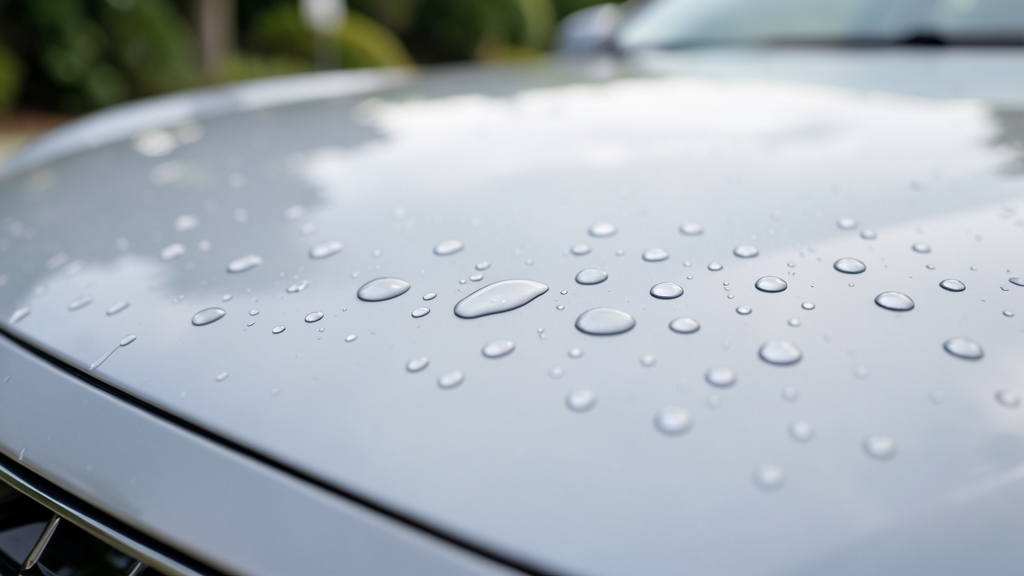
Ceramic coatings bond molecularly with your vehicle’s clear coat, forming a hydrophobic layer that repels water, salt, and contaminants. This isn’t a temporary wax—it’s a semi-permanent solution.
The 9H hardness rating means it resists scratches from minor debris, while UV inhibitors prevent fading. In our marine climate, this translates to years of protection.
Always pair ceramic coating with paint correction. Applying it over swirls or oxidation locks in imperfections. Our team in Ceramic Coating Honolulu starts with a full decontamination and polishing.
Ceramic Coating vs. Wax vs. Sealants: What Lasts in Honolulu?
Traditional waxes and synthetic sealants offer short-term shine but degrade within months under Honolulu’s sun and salt. Ceramic coatings, however, can last 2–5 years with proper care.
Unlike wax, which sits on the surface, ceramic coatings chemically bond, creating a far more durable barrier. They also resist water spots—a common issue near the coast.
| Product | Durability | Salt Resistance | UV Protection |
|---|---|---|---|
| Carnauba Wax | 1–3 months | Low | Minimal |
| Synthetic Sealant | 4–6 months | Moderate | Moderate |
| Ceramic Coating | 2–5+ years | High | High |
Beyond Paint: Full-Vehicle Protection Options
While paint is the most vulnerable, salt air also damages wheels, glass, and trim. Ceramic window tint reduces UV penetration and heat, while wheel coatings prevent brake dust from fusing to the surface.
For maximum defense, consider Paint Protection Film (PPF) on high-impact areas like the hood and bumper. PPF and ceramic coatings work together—PPF absorbs impacts, while the coating adds hydrophobic and UV-resistant properties.
Vehicles in Pearl City and Aiea see heavy salt exposure from nearby highways and ocean breezes. Full-vehicle ceramic coating is a smart investment here.
The Role of Paint Correction Before Coating
Applying ceramic coating over damaged paint is like putting a bandage on a deep cut. Paint correction removes swirl marks, oxidation, and water spots, restoring the surface to a mirror finish.
This step is non-negotiable for long-term results. In Honolulu, where oxidation is rampant, it ensures the coating adheres properly and enhances gloss.
Maintenance: Keeping Your Coating in Top Shape
Ceramic coatings aren’t maintenance-free, but they drastically reduce upkeep. A simple wash with pH-neutral soap and an annual inspection keeps the hydrophobic properties intact.
Avoid automatic car washes with harsh brushes—they can degrade the coating over time. Hand washing or touchless washes are ideal for Ceramic Coating Honolulu vehicles.
Ceramic Coating Care Essentials
- Wash with pH-neutral car shampoo every 2 weeks
- Use a microfiber wash mitt to prevent scratches
- Apply a ceramic-boosting spray every 3–6 months
- Avoid wax or sealants—they can interfere with the coating
Why Honolulu Drivers Choose Ceramic Coating Over Alternatives
In Kailua and Kaneohe, where vehicles are parked outdoors more often, ceramic coating’s UV resistance prevents fading. The hydrophobic effect also means less time spent cleaning off salt residue after beach trips.
For fleet and commercial vehicles in Waipahu, the durability of ceramic coatings reduces downtime for repainting and touch-ups, saving money long-term.
How to Decide If Ceramic Coating Is Right for Your Vehicle
Not every car needs ceramic coating, but in Honolulu, most benefit. Here’s how to decide:
- 1Assess Your Exposure
Do you park near the ocean, drive frequently on salt-treated roads, or live in a high-humidity area like Kailua? If yes, your vehicle is at higher risk.
- 2Evaluate Your Paint’s Condition
If your paint has heavy oxidation, swirls, or fading, start with paint correction. Ceramic coating will lock in the current state—good or bad.
- 3Consider Your Long-Term Plans
If you plan to keep your car for 3+ years, ceramic coating is a cost-effective way to preserve its value and appearance.
- 4Compare Protection Options
For full coverage, combine ceramic coating with PPF on high-impact areas. For budget-friendly protection, focus on the hood, roof, and trunk first.
- 5Consult a Local Expert
Our team in Ceramic Coating Honolulu can inspect your vehicle and recommend an approach, whether it’s a full-vehicle coating or targeted protection.
Frequently Asked Questions
Does ceramic coating prevent rust in Honolulu’s salt air?
Ceramic coating significantly slows rust by blocking salt and moisture from reaching the metal. However, it’s not a substitute for addressing existing rust spots—those must be treated first.
How often should I reapply ceramic coating in Ceramic Coating Honolulu?
With proper care, a professional-grade ceramic coating lasts 2–5 years. Reapplication depends on exposure levels and maintenance. Request a quote for an inspection to gauge your coating’s condition.
Can ceramic coating be applied to older cars with faded paint?
Yes, but the paint must be restored first. Paint correction and polishing are essential to remove oxidation and swirls before applying the coating. This ensures optimal bonding and finish.
Is ceramic coating worth it for a daily driver in Pearl City or Aiea?
Absolutely. Daily drivers in these areas face constant salt and UV exposure. Ceramic coating reduces washing frequency, protects resale value, and keeps your car looking newer for longer.
What’s the difference between ceramic coating and Paint Protection Film (PPF)?
Ceramic coating is a liquid polymer that bonds to paint, enhancing gloss and hydrophobicity. PPF is a physical urethane film that absorbs impacts. Many Honolulu drivers use both: PPF for impact zones and ceramic coating for the rest of the vehicle.
Will ceramic coating make my car completely scratch-proof?
No coating is 100% scratch-proof, but ceramic coating’s 9H hardness resists minor scratches from washing, debris, and light abrasions. For heavier protection, pair it with PPF.