How Long Does a Ceramic Coating Last in Honolulu? Real Longevity Factors in Ceramic Coating Honolulu, HI
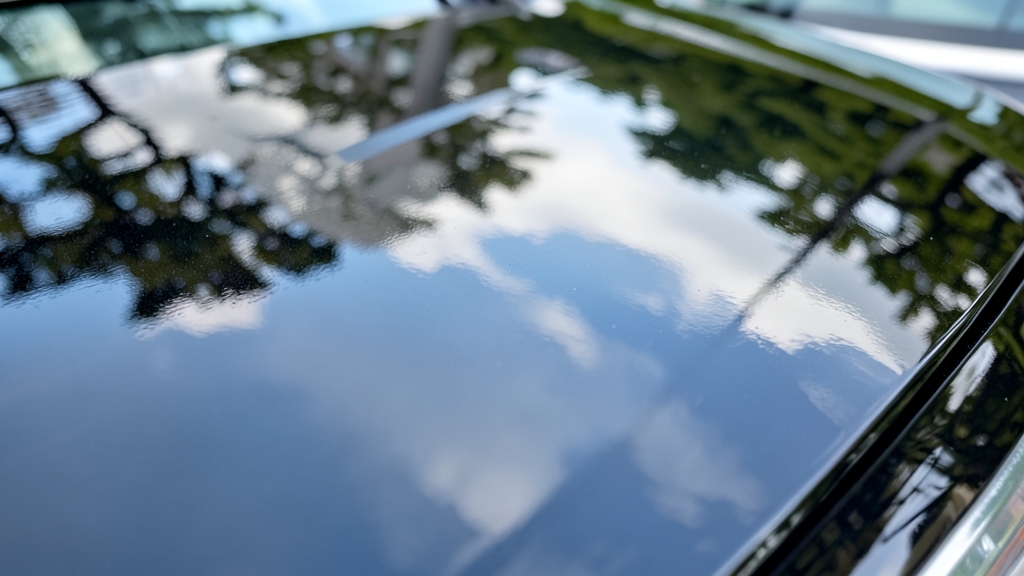
Ceramic coatings are a game-changer for vehicle protection, especially in Hawaii’s harsh conditions. But longevity isn’t one-size-fits-all—it depends on the product, prep work, and how you maintain it. We break down what Honolulu drivers need to know to get the most out of their investment.
What Determines Ceramic Coating Lifespan?
The lifespan of a ceramic coating hinges on its chemical composition. Professional-grade coatings use high concentrations of SiO2 (silicon dioxide) or TiO2 (titanium dioxide), which bond molecularly with your clear coat for years of protection.
Lower-tier consumer sprays may only last 6–12 months. In contrast, our professional applications—like those we perform in Ceramic Coating in Kailua or Ceramic Coating in Kaneohe—typically deliver 2–5 years of defense against UV rays, salt air, and oxidation.
Honolulu’s Climate: The Ultimate Test for Coatings
Hawaii’s intense UV exposure, high humidity, and salt air accelerate paint damage. Without protection, clear coats oxidize faster, and water spots etch into the surface. A quality ceramic coating acts as a sacrificial layer, shielding against these elements.
Vehicles in Ceramic Coating in Waipahu or Ceramic Coating in Pearl City face similar challenges. The coating’s hydrophobic properties repel water, reducing mineral deposits and salt buildup that lead to long-term damage.
Salt from ocean mist is abrasive and corrosive. Even ceramic coatings need regular washing to prevent salt crystals from degrading the surface over time.
Professional vs. DIY Ceramic Coatings: Longevity Compared
Not all ceramic coatings are created equal. Professional-grade products require meticulous paint correction and multiple layers for maximum durability. DIY kits often lack the purity and thickness to endure Honolulu’s conditions long-term.
| Factor | Professional Coating | DIY Coating |
|---|---|---|
| Lifespan | 2–5 years | 6–12 months |
| UV Resistance | High (90%+ UV block) | Moderate |
| Hydrophobicity | Extreme (120°+ contact angle) | Basic (90–110° contact angle) |
| Salt & Chemical Resistance | Excellent | Limited |
| Prep Work Required | Paint correction, multi-layer application | Surface cleaning only |
How Paint Correction Extends Your Coating’s Life
A ceramic coating bonds to the clear coat, so any imperfections—swirl marks, oxidation, or scratches—will be locked in permanently. That’s why we always start with paint correction and polishing for vehicles in Ceramic Coating in Aiea or elsewhere on the island.
Proper prep ensures the coating adheres uniformly, maximizing its lifespan. Skipping this step can cut durability in half, as contaminants or uneven surfaces weaken the bond.
Never apply a ceramic coating over a poorly prepped surface. Invest in professional paint correction to avoid trapping defects under the coating.
Maintenance: The Key to Maximizing Longevity
Even the best ceramic coating won’t last forever without care. Regular washing with pH-neutral soap removes abrasive contaminants. Avoid automatic car washes with harsh brushes—they can wear down the coating prematurely.
For extra protection, consider pairing your ceramic coating with Paint Protection Film (PPF) on high-impact areas like the hood and bumper. This combo is popular among our clients in Ceramic Coating in Kaneohe for ultimate defense.
Ceramic Coating Maintenance Essentials
- Wash every 2 weeks with pH-neutral car shampoo
- Use a microfiber wash mitt to prevent scratches
- Avoid wax or sealants (they interfere with hydrophobicity)
- Dry immediately after washing to prevent water spotting
- Apply a ceramic booster spray every 6–12 months
Signs Your Ceramic Coating Is Failing
Over time, you may notice water no longer beads as tightly or sheets off as easily. This indicates the hydrophobic layer is degrading. Another red flag: water spots that don’t rinse off, signaling reduced chemical resistance.
If the paint looks dull or feels rough, the coating may be worn. In Honolulu’s climate, UV damage often appears as faded or chalky paint—another sign it’s time for a refresh or reapplication.
How to Extend Your Coating’s Life in Honolulu
Park in a garage or under a cover to minimize UV and salt exposure. If that’s not possible, use a high-quality car cover for extended outdoor parking. Regularly applying a ceramic detailer spray can also restore hydrophobicity between professional re-applications.
For fleet or commercial vehicles in Ceramic Coating Honolulu, we recommend more frequent inspections and touch-ups due to higher mileage and exposure.
How to Check if Your Ceramic Coating Is Still Active
A simple water test can reveal your coating’s condition.
- 1Clean the Surface
Wash and dry a section of your vehicle’s paint to remove any contaminants that could skew the test.
- 2Spray Water
Use a spray bottle to apply water to the clean, dry surface. Observe how the water behaves.
- 3Check Water Behavior
If the water beads tightly and sheets off easily, your coating is still active. If it flattens out or leaves residue, the coating is degrading.
- 4Test Multiple Areas
Repeat the test on different panels, as sun exposure and wear can vary across the vehicle.
- 5Compare to Untreated Surfaces
For reference, test an uncoated area (like an interior door jamb) to see the difference in water behavior.
Frequently Asked Questions
Can a ceramic coating last 10 years in Honolulu?
No. While some manufacturers claim decade-long durability, real-world conditions in Honolulu—UV, salt, and humidity—typically limit professional coatings to 2–5 years. Proper maintenance can push the upper end of that range.
Does ceramic coating prevent scratches?
Ceramic coatings add a hard layer (often 9H on the pencil scale), but they’re not scratch-proof. They resist light swirls and marring better than bare paint, but deep scratches will still occur. For scratch protection, consider Paint Protection Film (PPF).
How often should I reapply ceramic coating in Ceramic Coating Honolulu?
Professional coatings last 2–5 years with proper care. If you notice reduced hydrophobicity or water spotting, it’s time for a refresh. For heavy-use vehicles, we recommend inspections every 1–2 years.
Is ceramic coating worth it for Honolulu’s climate?
Absolutely. The UV resistance alone saves your paint from rapid oxidation, which is a major issue here. Add in protection from salt air, bird droppings, and tree sap, and the coating pays for itself in preserved resale value.
Can I apply ceramic coating over existing wax or sealant?
No. Wax or sealants must be fully removed before applying a ceramic coating. These products create a barrier that prevents the coating from bonding to the clear coat, drastically reducing its lifespan.
Does ceramic coating work on matte or satin paint?
Yes, but it requires a specialized matte-friendly ceramic coating. Standard coatings can add an unwanted gloss to matte finishes. We offer tailored solutions for matte, satin, and wrapped vehicles in areas like Ceramic Coating in Pearl City.