How to Remove Stains from Your Ceramic Coating Without Damage in Ceramic Coating Honolulu
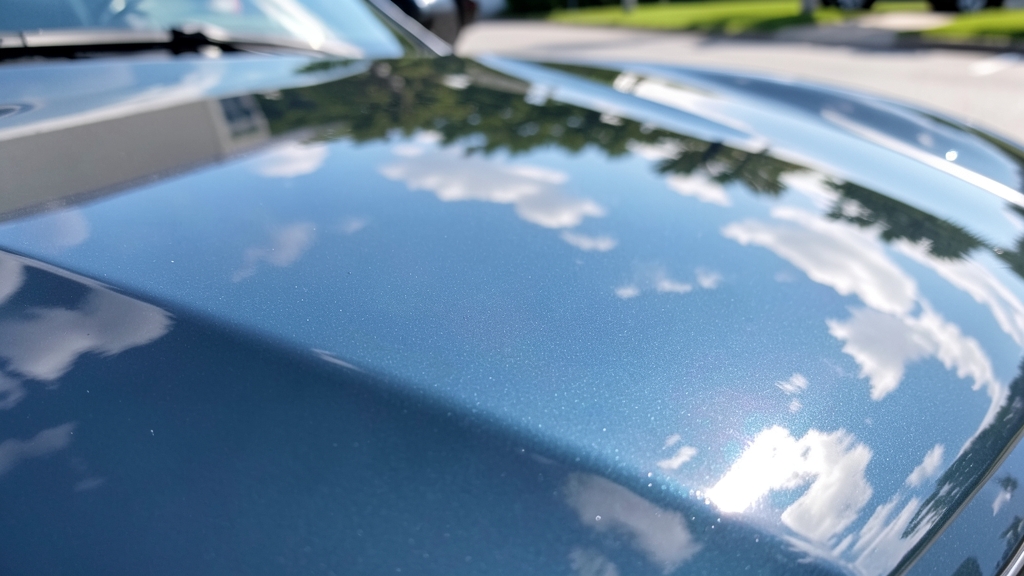
Ceramic coatings are designed to resist stains, but even the toughest layers can fall victim to Hawaii’s harsh elements. We’ll walk you through the safest ways to tackle common stains without stripping your coating’s integrity or hydrophobic properties.
Why Stains Happen on Ceramic-Coated Cars in Hawaii
Our local climate—salt air, intense UV, and sudden rain—accelerates contamination buildup. Even a high-quality ceramic coating can’t repel everything forever.
Common culprits include water spots from mineral-heavy rain, iron particles from brake dust, tree sap in Kailua or Kaneohe, and bird droppings that etch if left too long.
Stains That Threaten Your Coating (and Which Are Harmless)
Not all stains are equal. Surface-level contaminants like dust or pollen wash off easily. Deeper stains—iron deposits, tar, or etched water spots—require careful attention.
| Stain Type | Risk to Coating | Removal Difficulty |
|---|---|---|
| Water spots (mineral) | Low to moderate (etching possible) | Easy to moderate |
| Iron particles (brake dust) | Moderate (can embed) | Moderate |
| Tree sap / bird droppings | High (etching if untreated) | Moderate to hard |
| Tar / asphalt | Low (surface-level) | Moderate |
| Oil / fuel residue | Low | Easy |
Pre-Removal Check: Is Your Coating Still Intact?
Before diving in, test your coating’s hydrophobic response. Spritz water on the panel—if it beads tightly and sheets off, your coating is active. If not, it may need reapplication.
If the stain is on a high-wear area like the hood or roof, consider whether the coating has thinned. In Pearl City or Waipahu, frequent sun exposure can degrade layers faster.
Never use compounds, polishes, or rough pads on a ceramic-coated surface. These will strip the layer and require full reapplication.
Step-by-Step Stain Removal: The Safe Approach
Start with the gentlest method and escalate only if needed. Always work in the shade to prevent premature drying of cleaners, which can worsen stains.
Tools and Products You’ll Need
Gather pH-neutral car shampoo, microfiber wash mitts and towels, a clay bar with lubricant, iron remover spray, isopropyl alcohol (70% or higher), and a soft-bristle detailing brush.
For stubborn organic stains, a dedicated tar or sap remover is safe if used sparingly. Avoid household cleaners—they often contain harsh solvents.
Essential Stain-Removal Kit
- pH-neutral car shampoo
- Microfiber wash mitts and towels
- Clay bar + lubricant
- Iron remover spray
- Isopropyl alcohol (70%+)
- Soft-bristle detailing brush
- Tar/sap remover (ceramic-safe)
When to Call a Professional for Ceramic Coating in Honolulu
If stains resist all DIY methods, or if you notice swirls or haze after cleaning, your coating may need correction. Our team handles paint correction, PPF installation, and coating touch-ups across Honolulu, Pearl City, and Aiea.
For fleets or commercial vehicles, we also offer specialized ceramic protection to withstand heavier use. Don’t risk permanent damage—request a quote for an expert assessment.
Apply a ceramic boost spray every 3-6 months to refresh hydrophobicity. Park under cover in Kaneohe or Kailua to minimize sap and bird droppings.
Maintaining Your Coating After Stain Removal
Once stains are gone, reapply a ceramic detailer or spray sealant to restore gloss and protection. This step bridges the gap between full recoats, which we recommend every 2-5 years depending on exposure.
Regular maintenance washes with pH-neutral soap and two-bucket method will extend your coating’s life. Skip automatic car washes—their brushes can introduce new contaminants.
How to Remove Common Stains Without Damaging Your Ceramic Coating
Follow these steps in order, escalating only if the stain persists.
- 1Pre-Wash Rinse
Use a pressure washer or hose to remove loose debris. This prevents scratching during the wash.
- 2pH-Neutral Wash
Wash the area with a pH-neutral shampoo and microfiber mitt. Dry with a clean microfiber towel.
- 3Clay Bar Decontamination
Lubricate the surface and gently glide a clay bar over the stain to lift embedded contaminants. Re-lubricate as needed.
- 4Targeted Stain Treatment
For iron: spray iron remover, let it turn purple, then rinse. For sap/tar: apply a ceramic-safe remover, agitate with a soft brush, then wipe clean.
- 5Final Inspection
Check for residue. If the stain remains, repeat the clay step or consult a pro. Never scrub aggressively.
Frequently Asked Questions
Can I use vinegar or baking soda to remove water spots from my ceramic coating in Honolulu?
No. Vinegar and baking soda are acidic and abrasive, respectively, and can degrade the ceramic layer. Stick to pH-neutral cleaners or a dedicated water spot remover.
How do I know if a stain has etched my ceramic coating?
Etching appears as dull, hazy spots that don’t wash away. Run your fingernail lightly over the area—if you feel a rough patch, it’s likely etched. This requires professional correction.
Is it safe to use a steam cleaner on a ceramic-coated car?
Yes, but with caution. Steam cleaners can loosen contaminants, but high heat or pressure can weaken the coating over time. Keep the nozzle at a distance and avoid prolonged exposure.
What’s a way to remove bird droppings from ceramic coating without damage?
Act fast. Soak a microfiber towel in warm, soapy water and lay it over the droppings for 5-10 minutes to soften. Gently wipe away, then follow with a clay bar if needed. Never let it dry.
Does ceramic coating on wheels need different stain-removal methods?
Yes. Wheels endure heavier brake dust and road grime. Use a dedicated wheel cleaner that’s ceramic-safe and a soft brush to agitate. Avoid acid-based cleaners, which can harm both wheels and coating.
Can I apply a new ceramic coating over a stained area after cleaning?
Only if the stain is fully removed and the surface is prepped. Any residual contamination will be sealed under the new layer, causing adhesion issues. When in doubt, request a quote for professional prep and application.